Industry insights, market outlook reports and commercial real estate
news, and trends from the Coldwell
Banker Commercial brand.

As of mid-2025, the U.S. retail commercial real estate sector remains resilient, with strong demand in suburban and Sun Belt markets offsetting urban challenges and store closures. Experience-driven formats, mixed-use developments, and adaptive reuse are redefining retail spaces, positioning well-located Class A properties for long-term success.

ICSC Las Vegas 2025 drew over 25,000 retail real estate professionals to explore the evolving retail landscape, with themes of community, innovation, and strategic investment taking center stage. Coldwell Banker Commercial made a strong impact with a high-traffic booth, networking events, and a focus on dealmaking in a resilient, experience-driven market.

Experiential retail is revolutionizing the shopping experience by creating immersive, interactive environments that engage multiple senses and foster deeper connections with consumers. This trend, exemplified by innovations like IKEA's "IKEA Place" app, enhances brand loyalty and boosts sales, particularly among younger generations who value memorable experiences over material goods.

Adaptive reuse is transforming underperforming retail properties into valuable community assets like healthcare facilities, education centers, and residential units. This trend not only revitalizes local economies and reduces environmental waste but also addresses critical societal needs, making communities more resilient and sustainable.

The holiday season, spanning from Halloween to Christmas, is a critical period for retail and entertainment sectors, driving significant foot traffic and sales. This article explores how Halloween's economic impact and the holiday shopping frenzy create immense opportunities and pressures for commercial real estate.
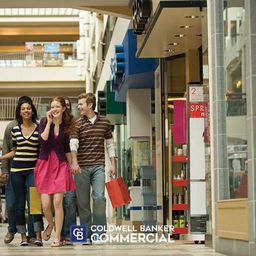
Brick-and-mortar stores are making a surprising comeback in 2024, led by suburban shopping centers, as consumers defy economic worries and flock to stores during the back-to-school season. This resurgence is boosting foot traffic and tenant demand for shopping center REITs like Regency Centers and Kimco Realty, making them attractive options for investors.
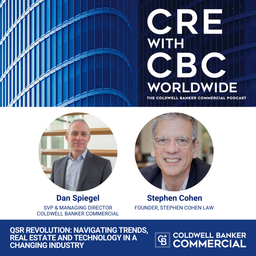
Discover the latest trends and challenges in the Quick Service Restaurant (QSR) sector with insights from Stephen Cohen, a leading real estate attorney and industry expert. Learn how brand authenticity, strategic planning, and technology integration can help restaurant operators thrive in a competitive landscape.
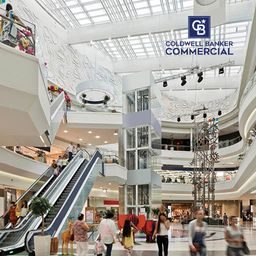
Coldwell Banker Commercial explores the trend of enclosed shopping malls becoming unexpected sanctuaries from extreme heat, drawing increased foot traffic as people seek climate-controlled environments amidst intensifying heatwaves and power outages.

Integrating online and physical retail redefines the shopping experience, proving that brick-and-mortar stores still play a crucial role in the retail ecosystem.

The fitness industry was a post-pandemic success, as visits to gyms across the country surged once people were allowed to leave home and restart their in-person workout routines.